
applications / wind / study 01
Wind Comfort and Safety
- Element
- Wind
- Standards
- NEN 8100
- Also
- City of London wind microclimate guidelines
- Method
- Wind tunnel or CFD
- Regions
- Netherlands, Belgium, London
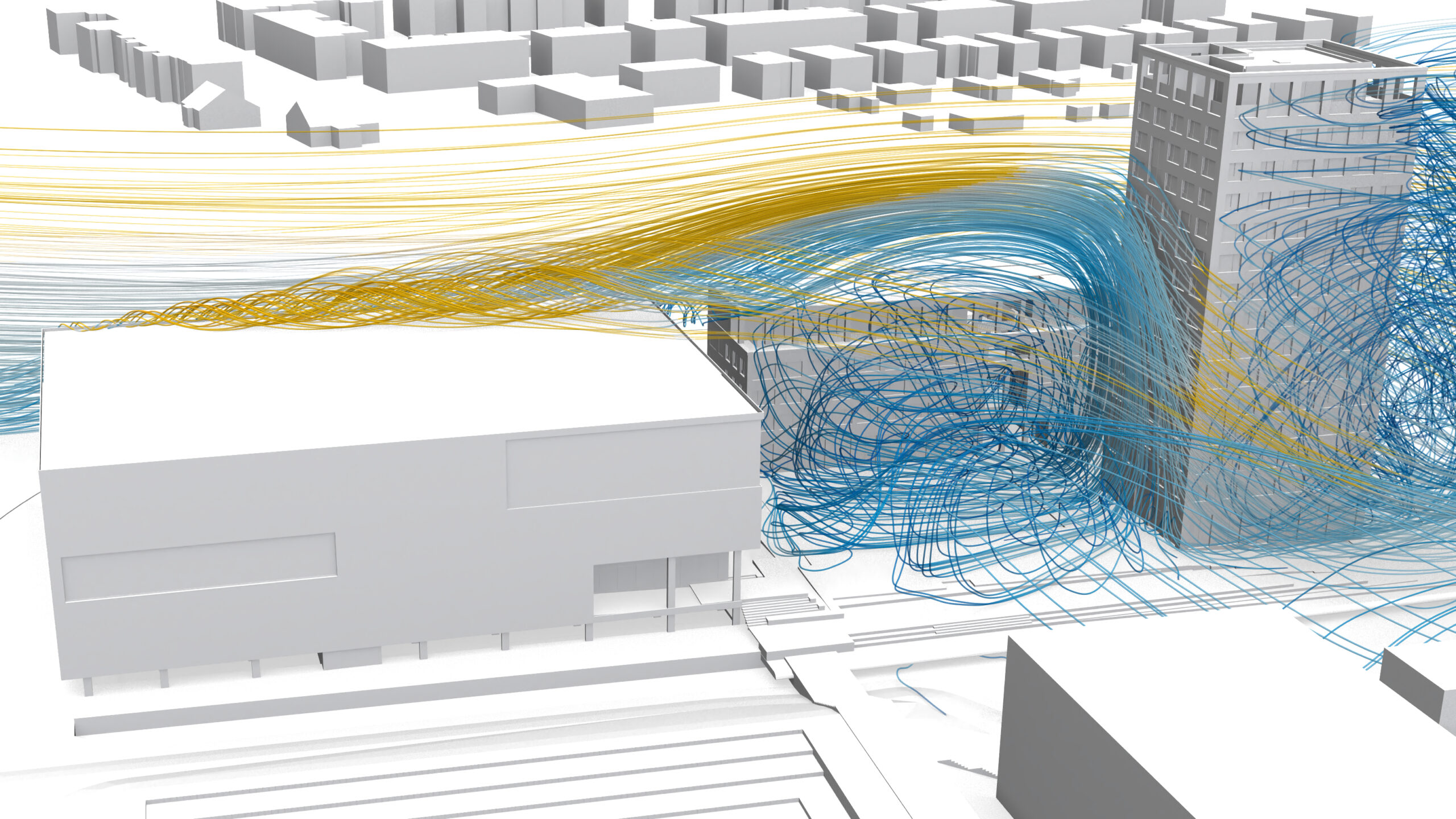
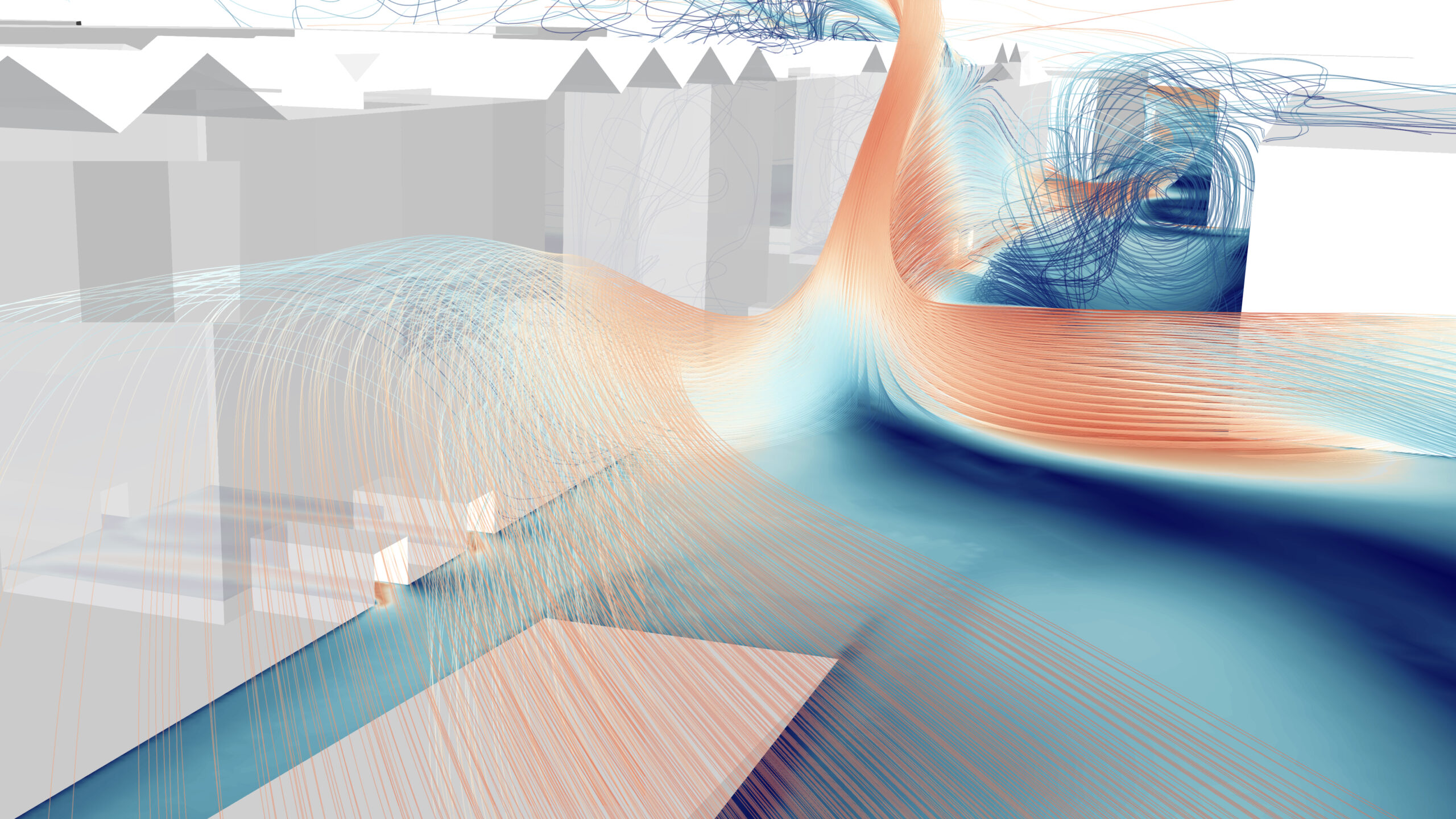
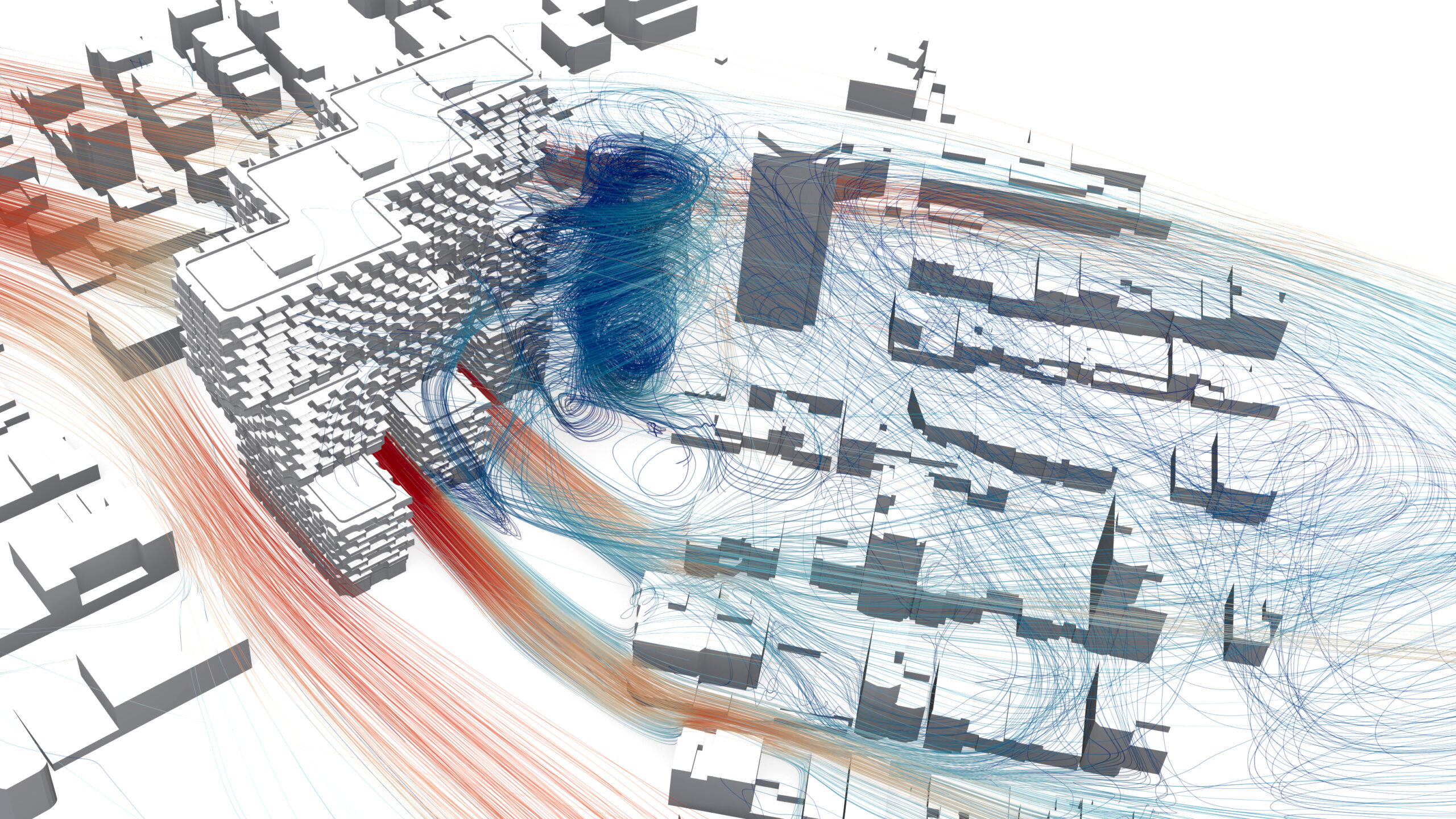
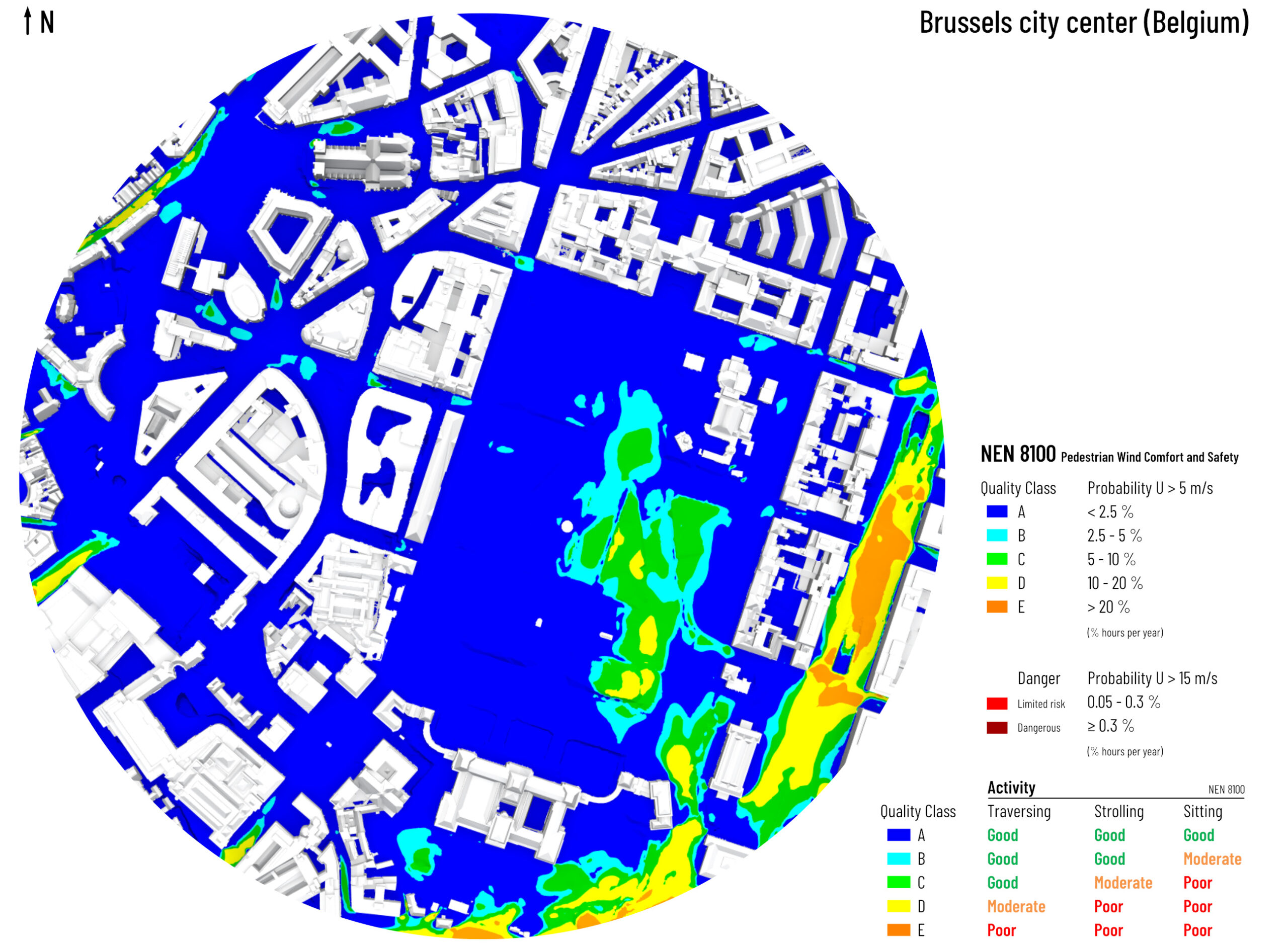
Wind comfort and safety are important microclimatic issues in urban planning and design. Buildings influence the microclimate in their vicinity. The effects can be favorable or unfavorable, depending on the building shape and orientation. Tall buildings in particular are likely to give rise to high wind velocities at pedestrian level, causing discomfort and sometimes danger. For this reason, many city authorities request studies of pedestrian wind comfort and safety for new urban developments.
The Netherlands
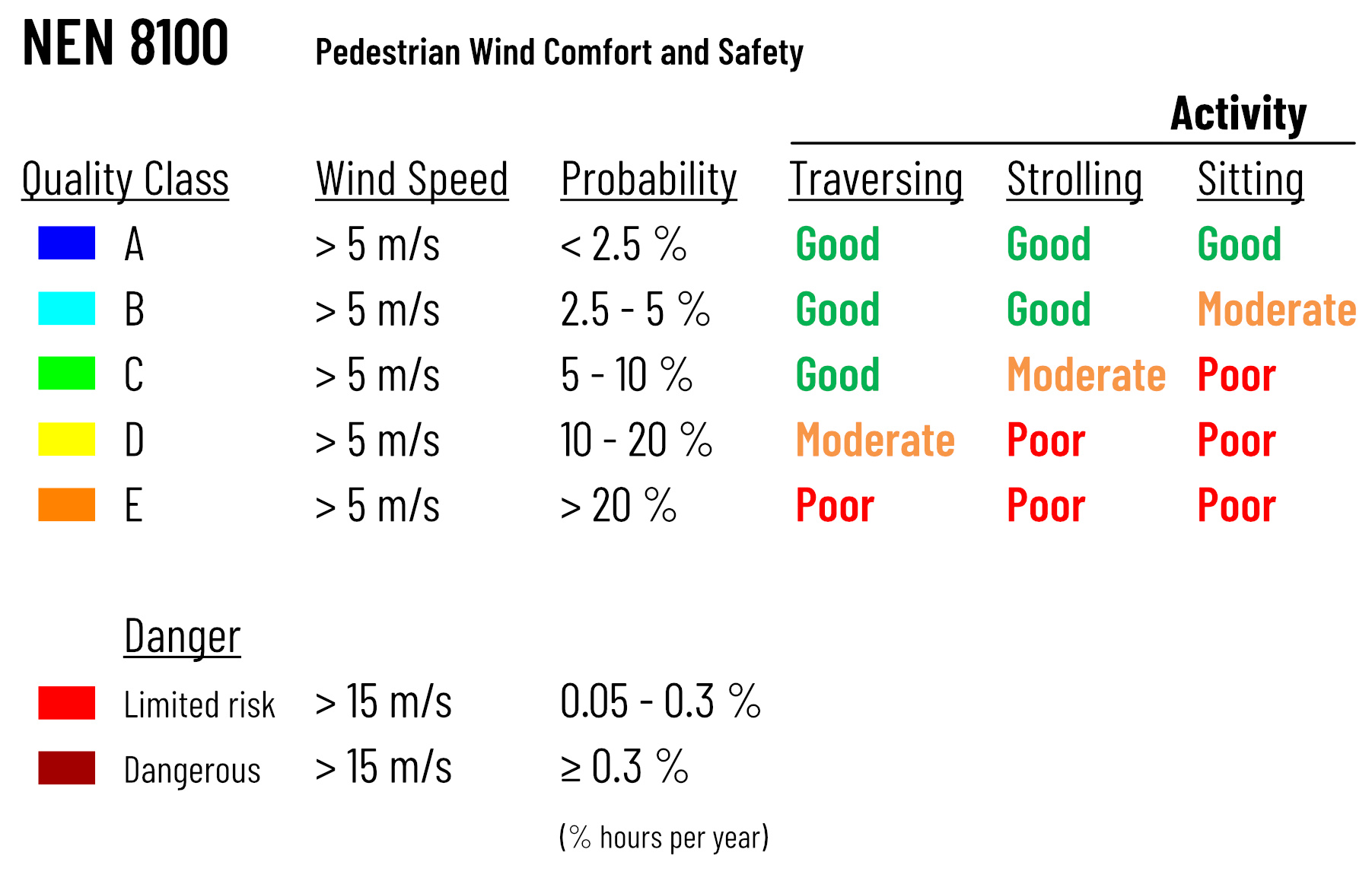
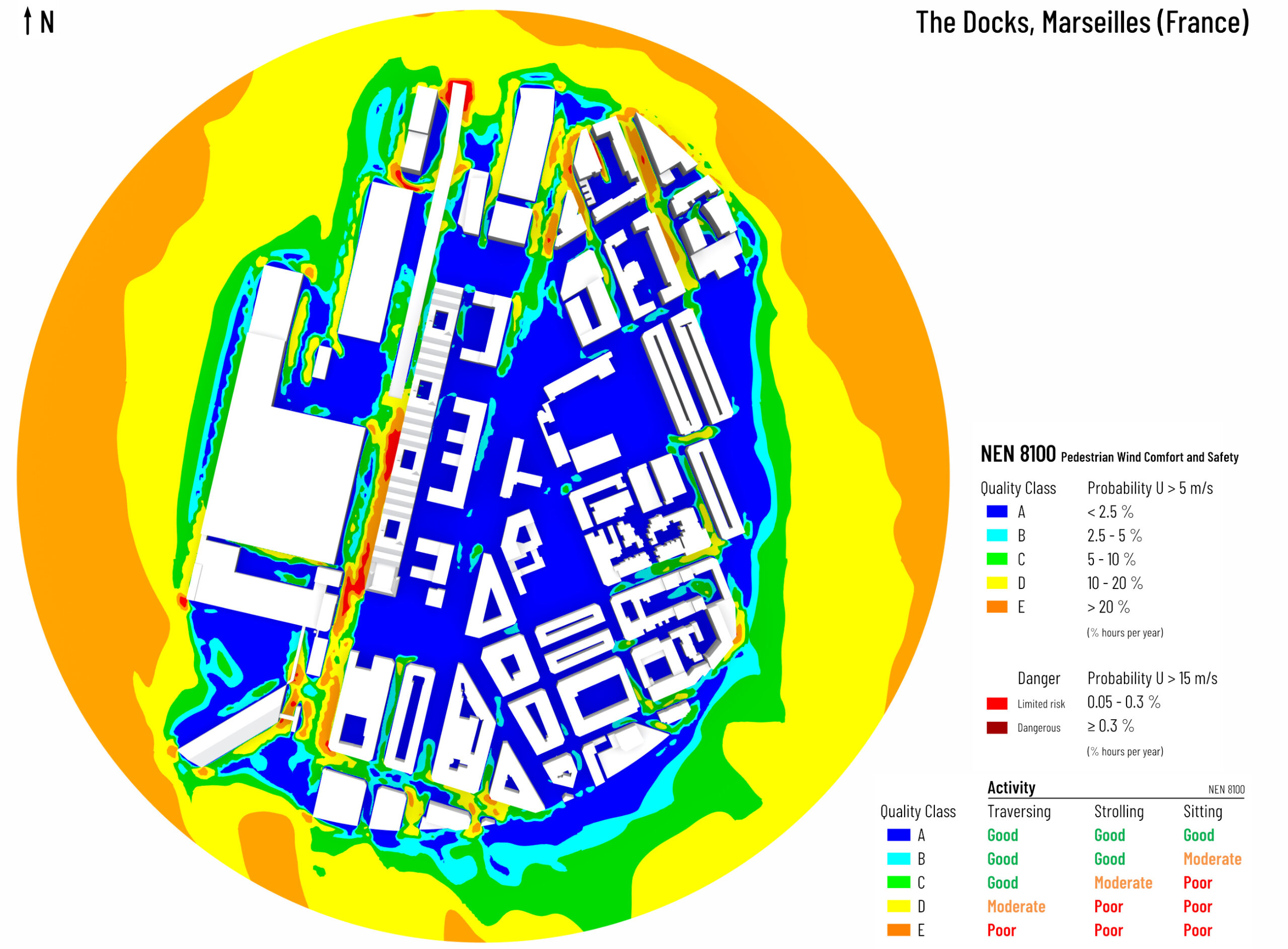
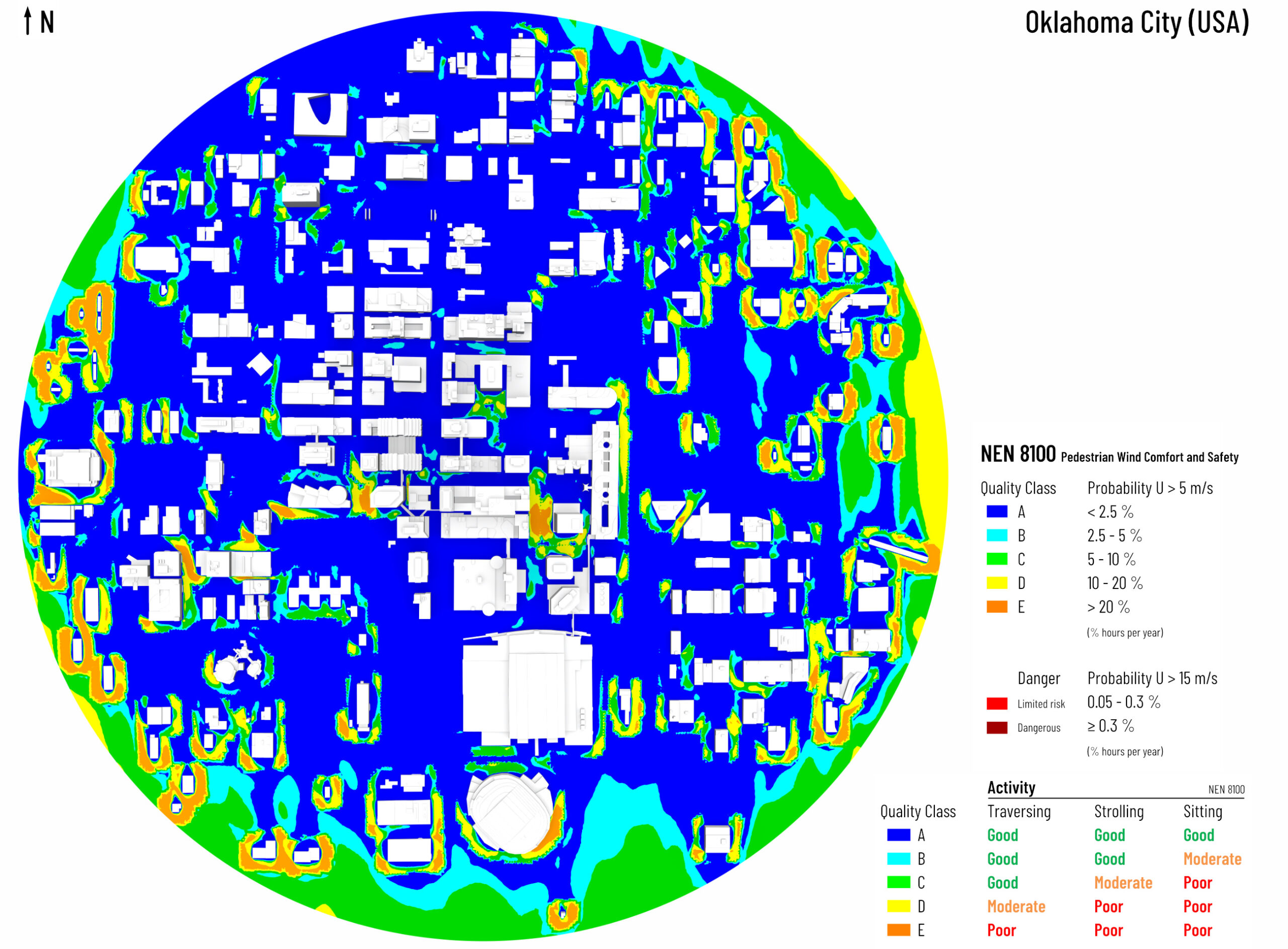
The Netherlands have established a standard (NEN 8100 [1]) for wind comfort and safety in the built environment since 2006. The standard defines guidelines and criteria for both experimental studies (wind tunnel) and computer simulations (Computational Fluid Dynamics), leaving the choice between those two options to the building designer. Wind studies are necessary for all new buildings taller than 30m, for example when requesting a building permit. For sheltered buildings with a height between 15 m and 30 m and for exposed buildings up to a height of 30 m, the opinion of a wind expert, such as one of our engineers, is necessary to assess whether or not a wind study is necessary.
Belgium
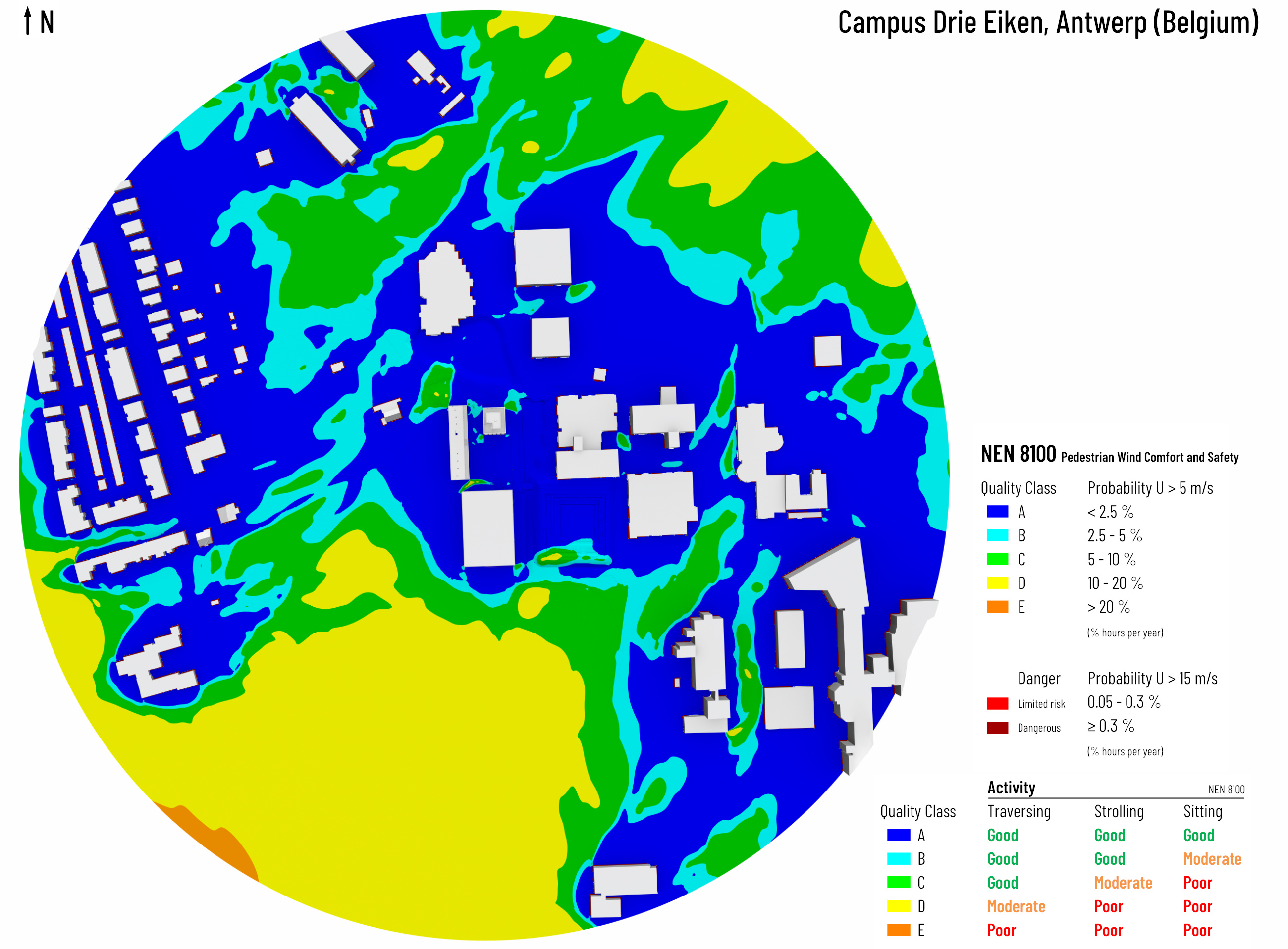
Belgium hasn’t established a national standard for wind comfort and safety in the built environment. Nevertheless, wind studies are often required by Belgian authorities, especially for tall buildings. Some municipalities, including Antwerp [2], require a wind study as prescribed by the Dutch standard NEN 8100 [1]: therefore, wind studies are mandatory for all new buildings taller than 30m. For sheltered buildings with a height between 15 m and 30 m and for exposed buildings up to a height of 30 m, the opinion of a wind expert, such as one of our engineers, is necessary to assess whether or not a wind study is necessary. The NEN 8100 standard defines guidelines and criteria for both experimental studies (wind tunnel) and computer simulations (Computational Fluid Dynamics), leaving the choice between those two options to the building designer.
London
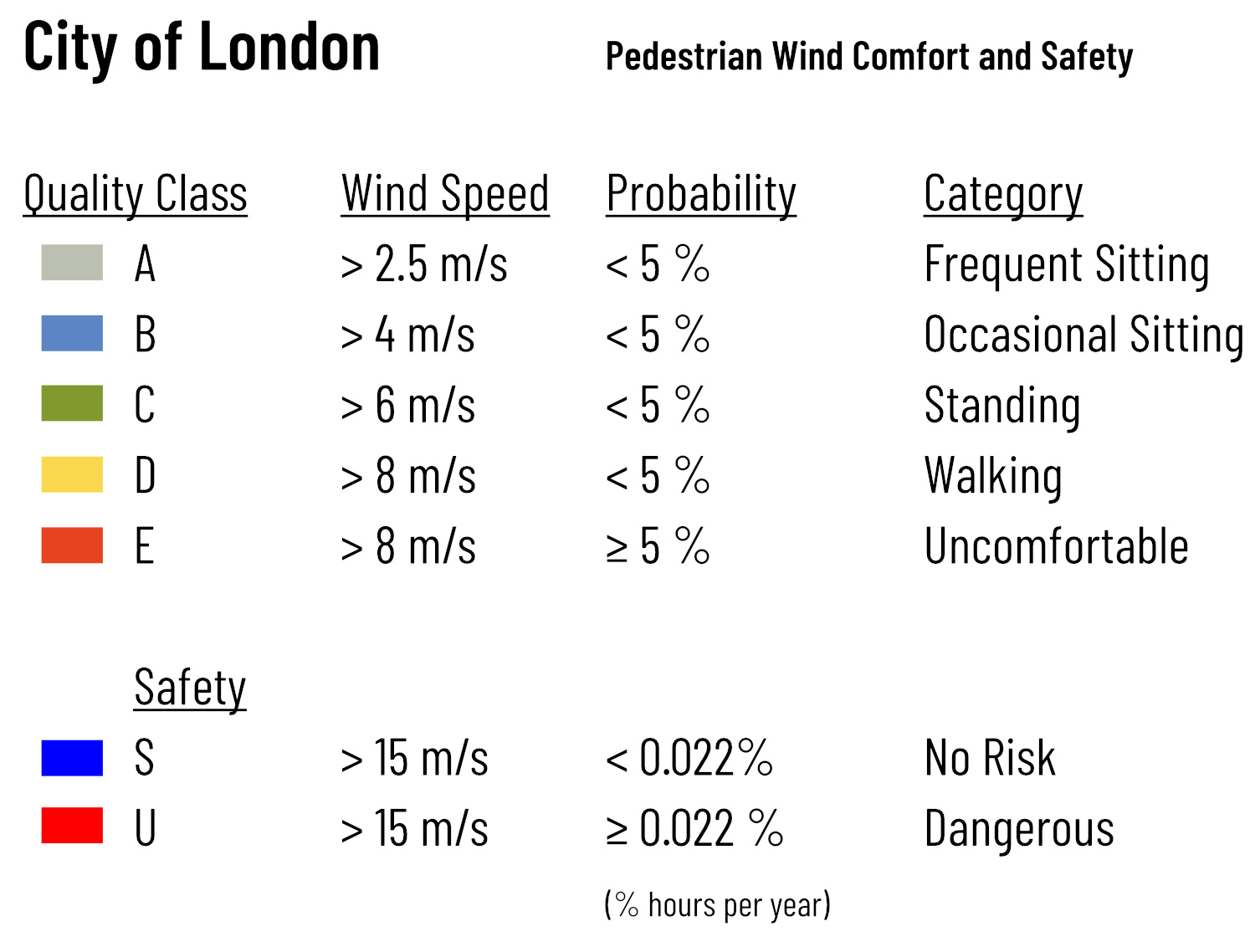
The City of London requires developers to address the wind microclimate at an early design stage. The Wind Microclimate Guidelines for Developments in the City of London describe the required studies to assess a planned structure’s impact on the safety and comfort of pedestrians and cyclists. Computational fluid dynamics (CFD) is among the recommended approaches for buildings 25 meters or higher and is a requirement for buildings 50 meters or higher.
[1] NEN, Wind Comfort and Wind Danger in the Built Environment, NEN 8100 Dutch Standard, 2006.
[2] HoogBouwNota, Milieutechnische rapportering, Windhinder en Windgevaar, Antwerpen.
Contact us for more information
Home
Other studies
Wind